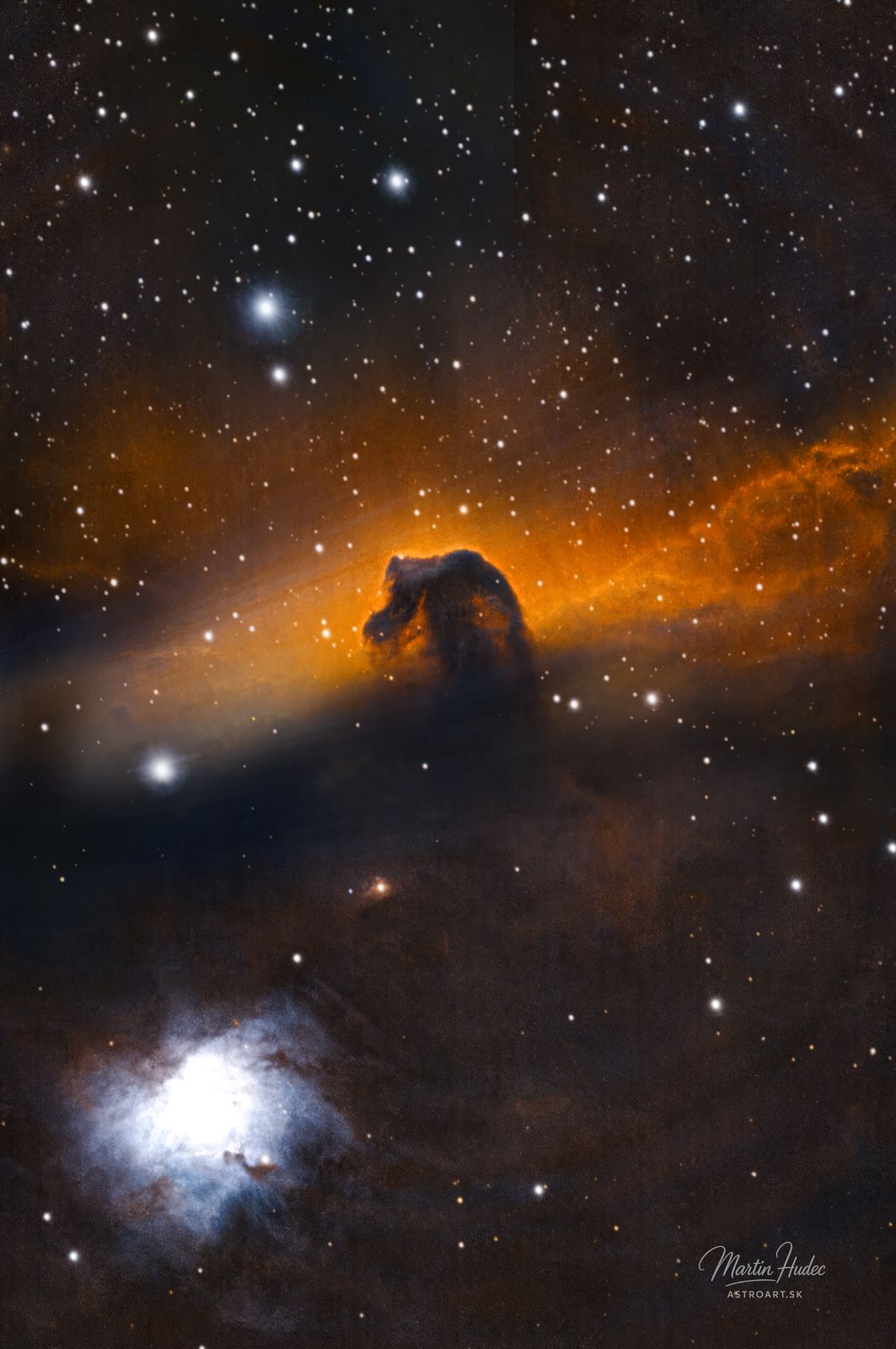
Horsehead Nebula (Barnard 33)
A dark horse's silhouette against glowing hydrogen – one of the best-known shapes in the night sky.
Clouds of gas and dust where stars are born – and the remains of those that have died.
A dark horse's silhouette against glowing hydrogen – one of the best-known shapes in the night sky.
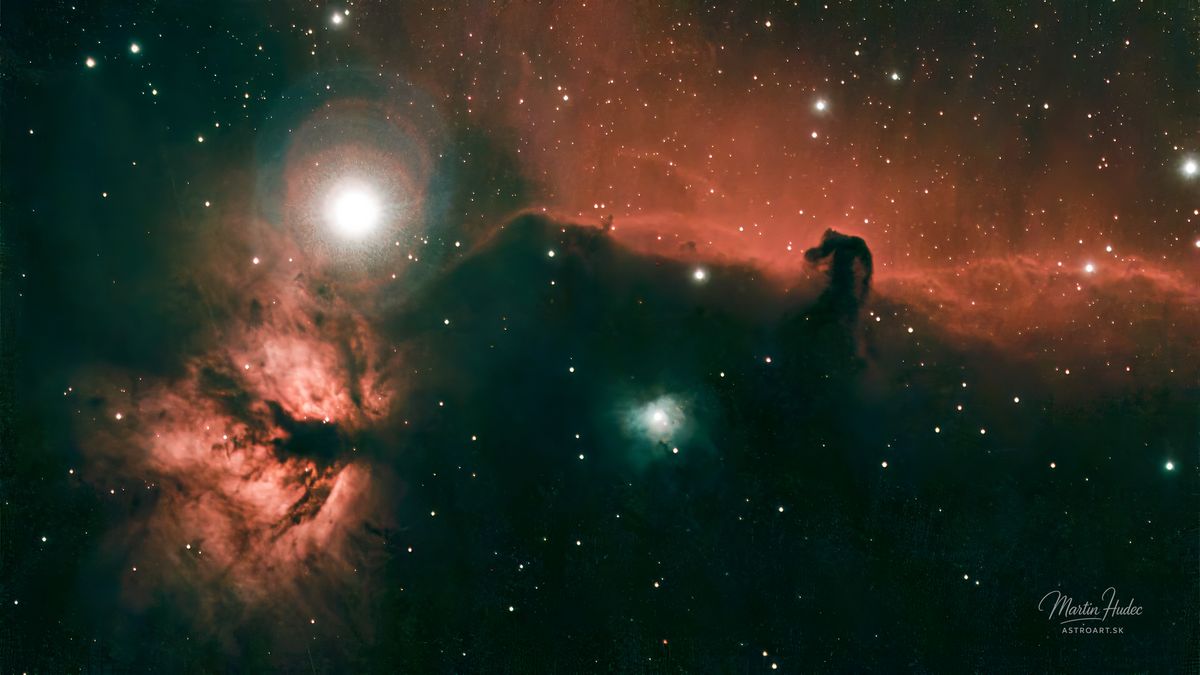
Two nebulae beside Alnitak, the easternmost star of Orion's Belt.
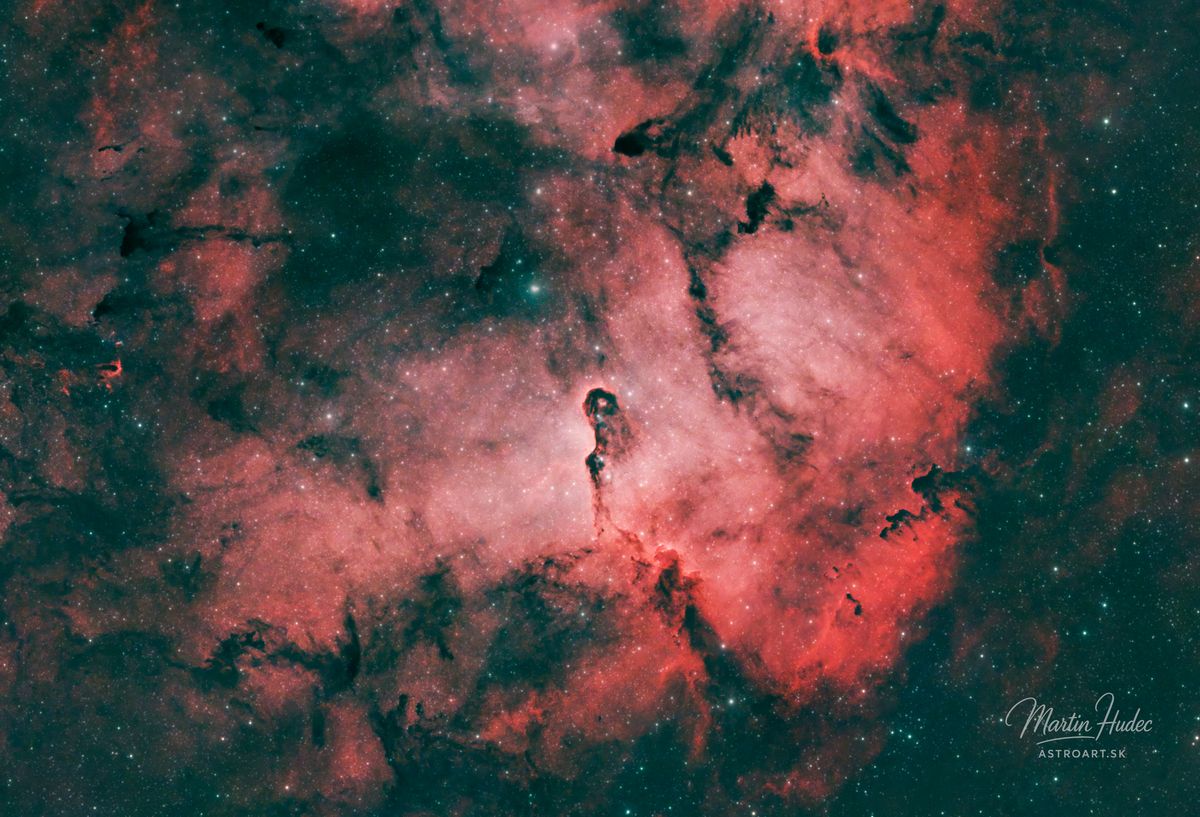
The whole IC 1396 region in Cepheus – and within it a dark trunk sculpted by starlight.
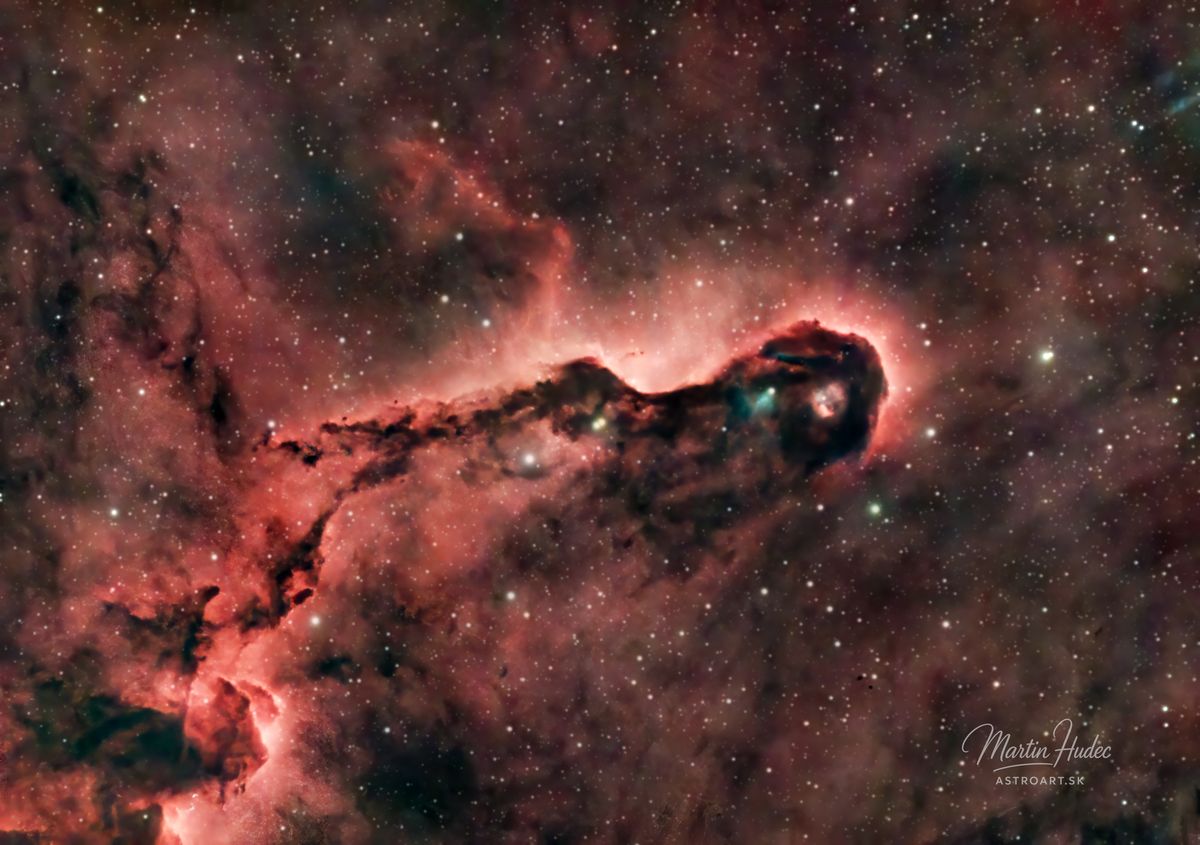
The head of a dust pillar slowly falling apart under the pressure of starlight.
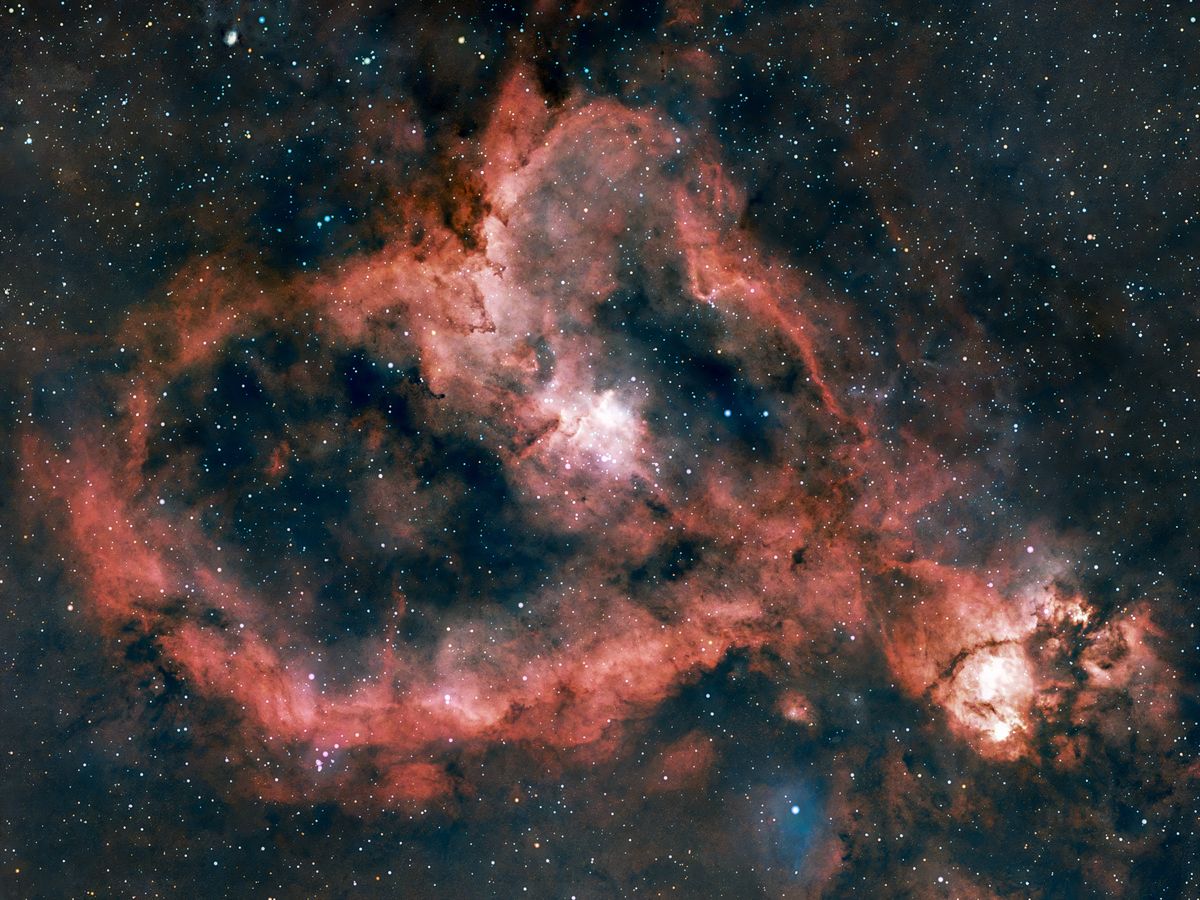
A heart-shaped nebula, photographed under the dark skies of Poloniny.
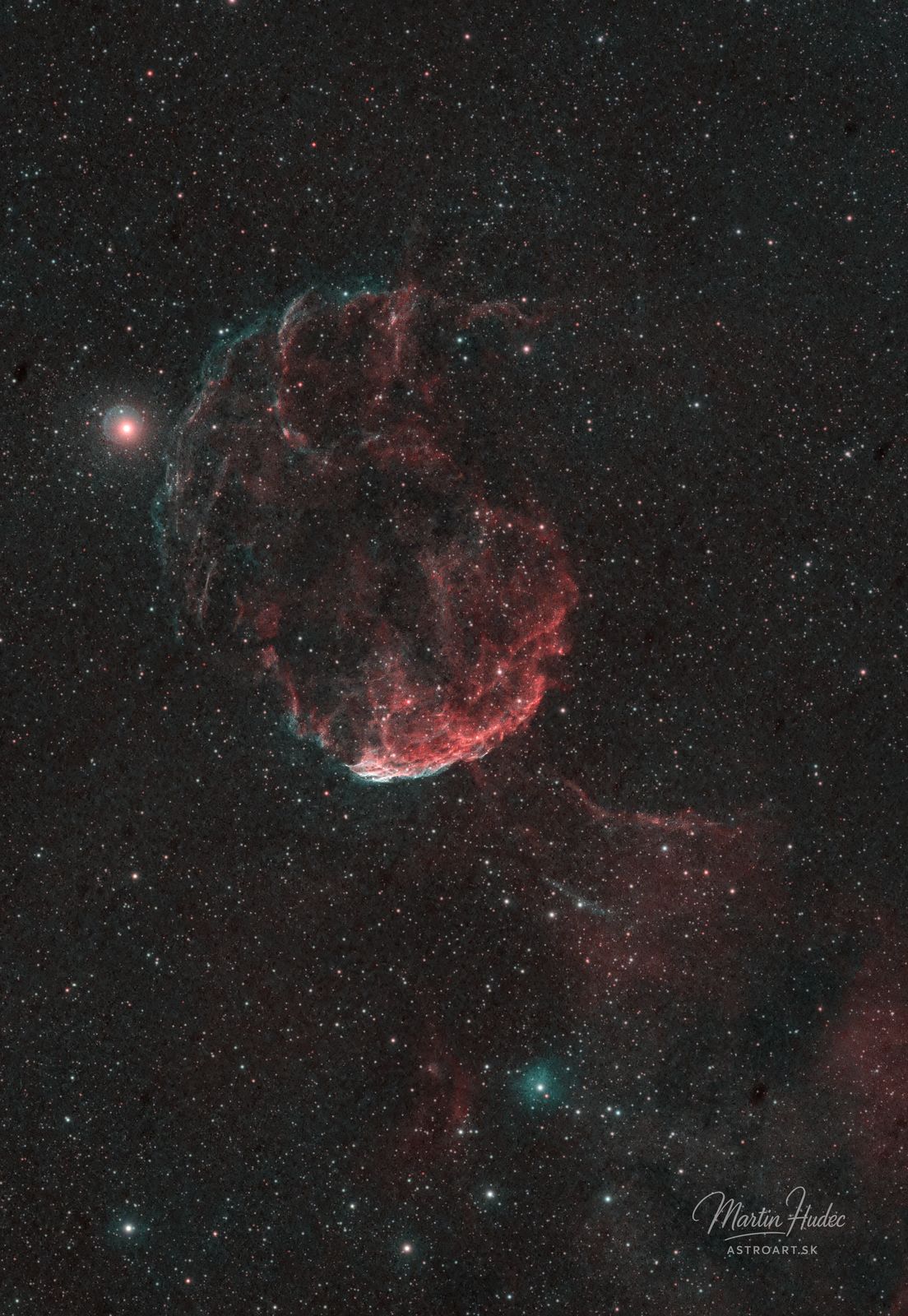
The expanding shell of a star that exploded thousands of years ago.
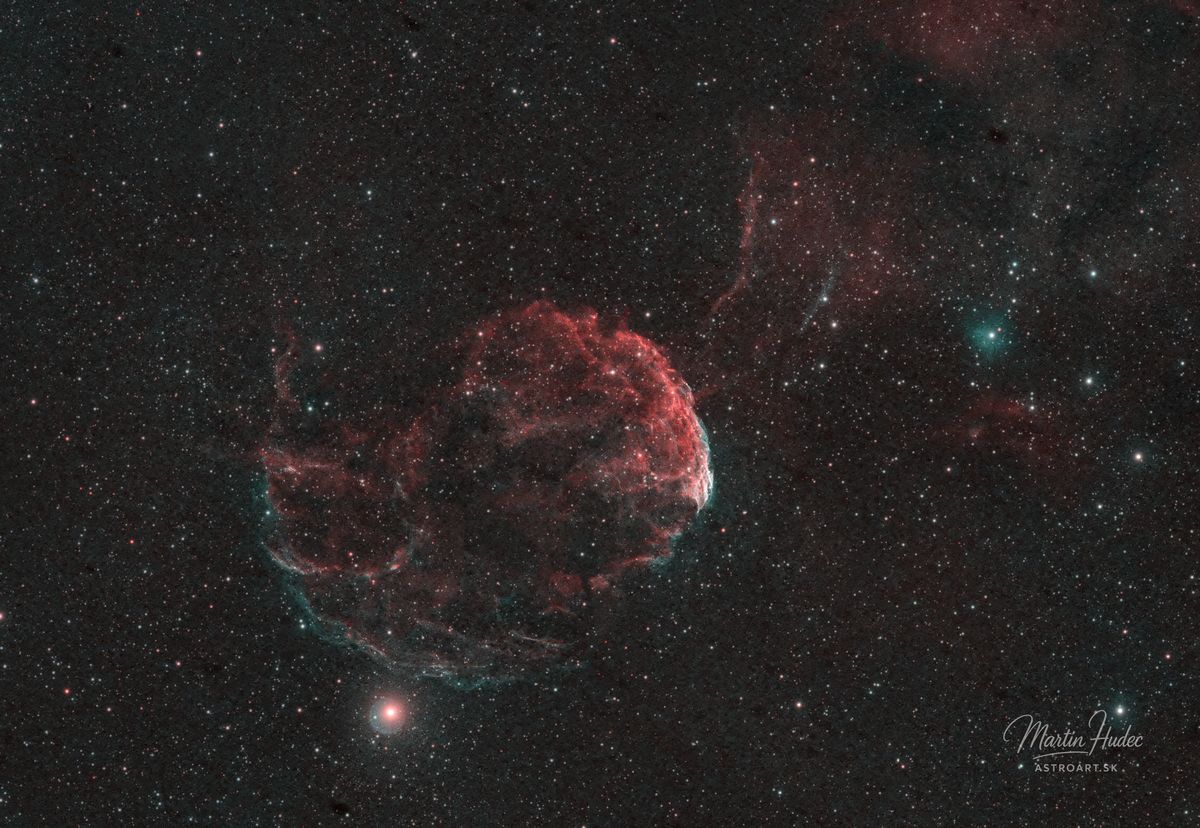
The same nights under the sky, a wider look at the supernova remnant.

A cloud of hydrogen shaped like the state it is named after.
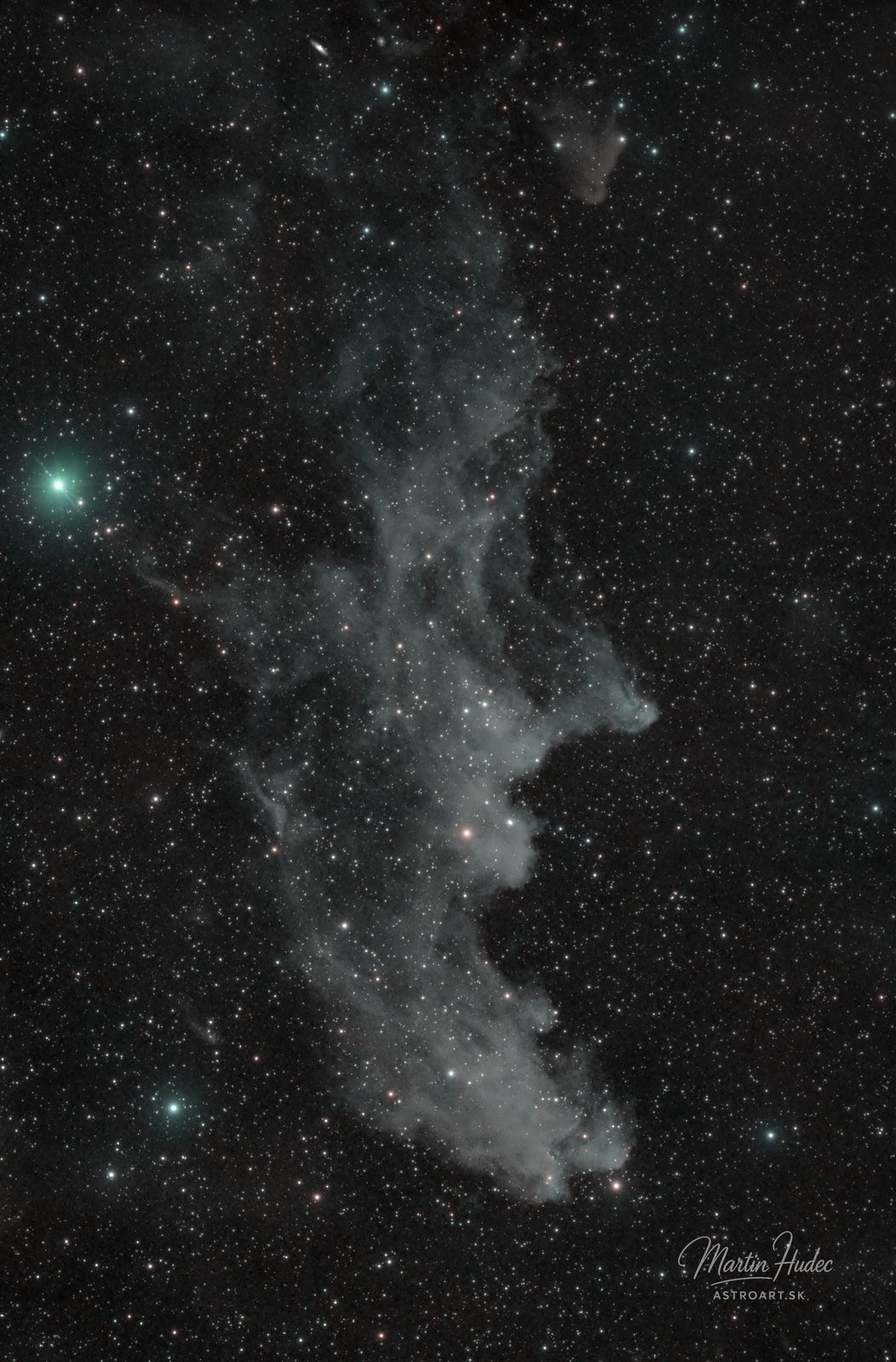
A faint reflection nebula lit by Rigel in Orion.
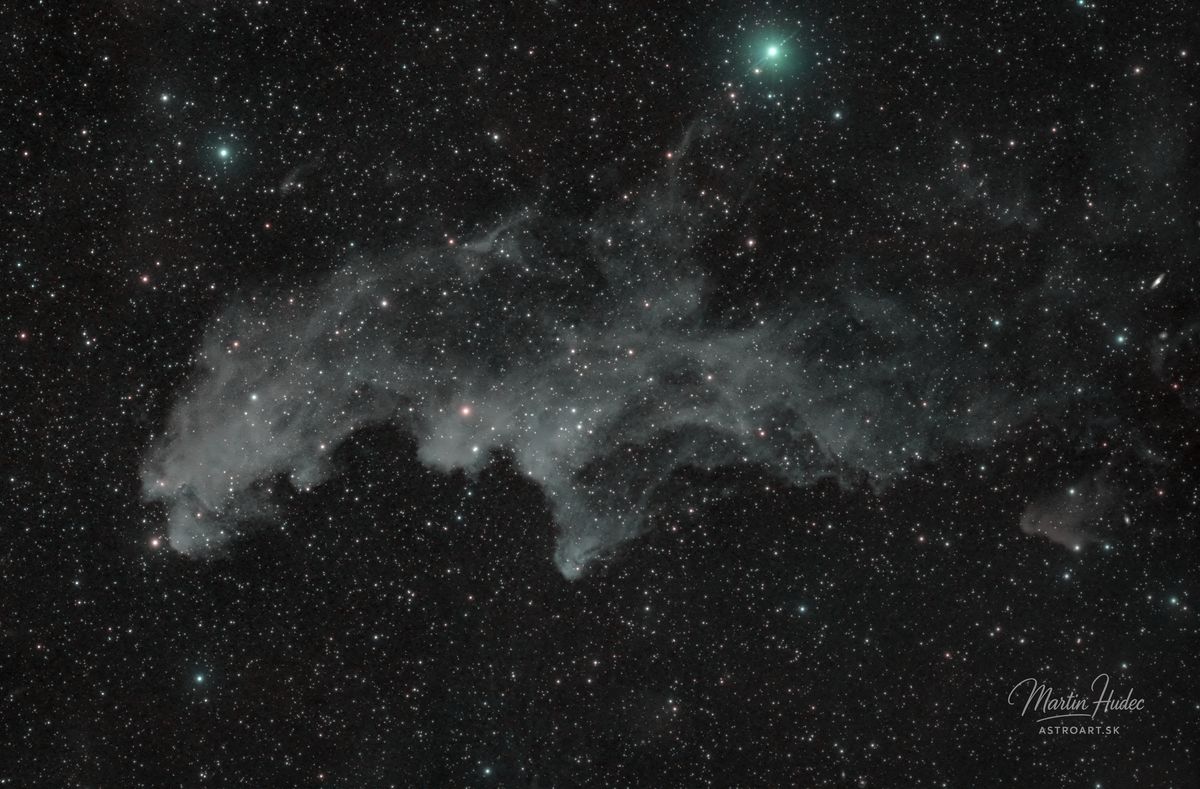
The witch's profile with more of the surrounding sky.
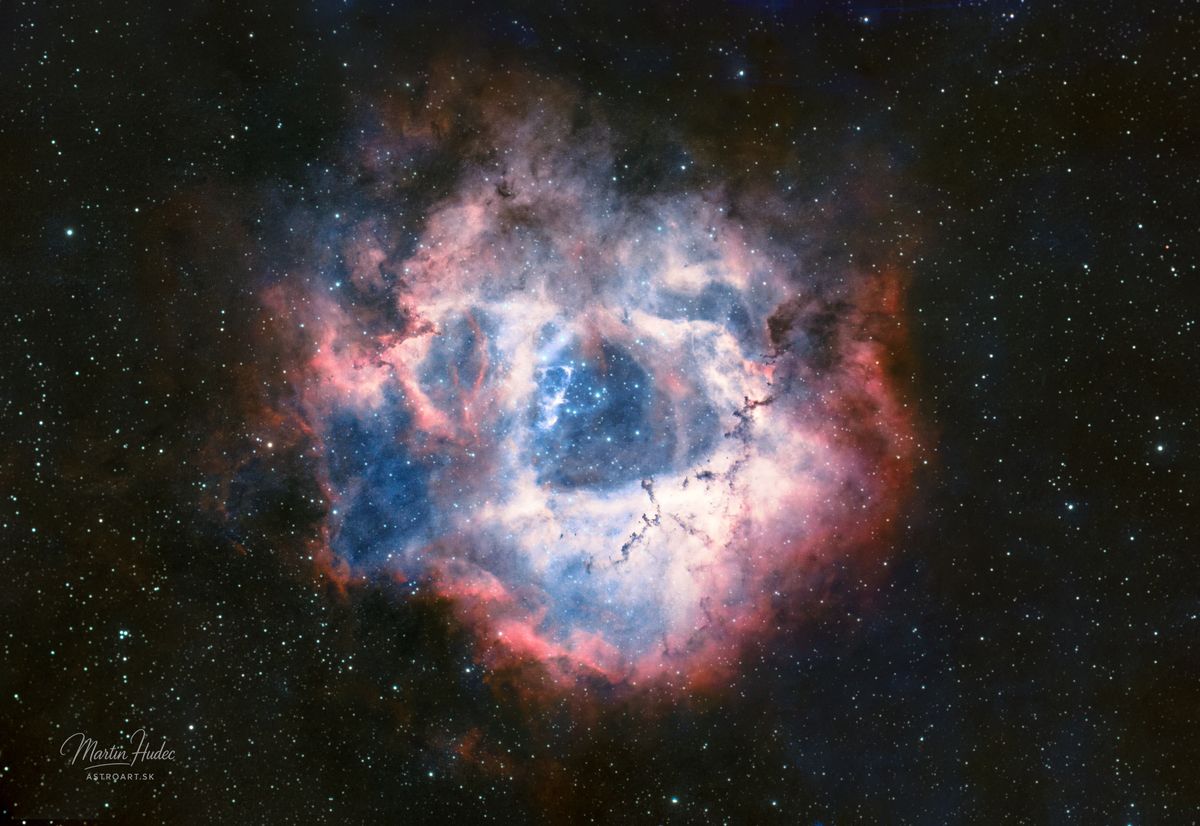
A flower of gas with a star cluster glowing at its heart.
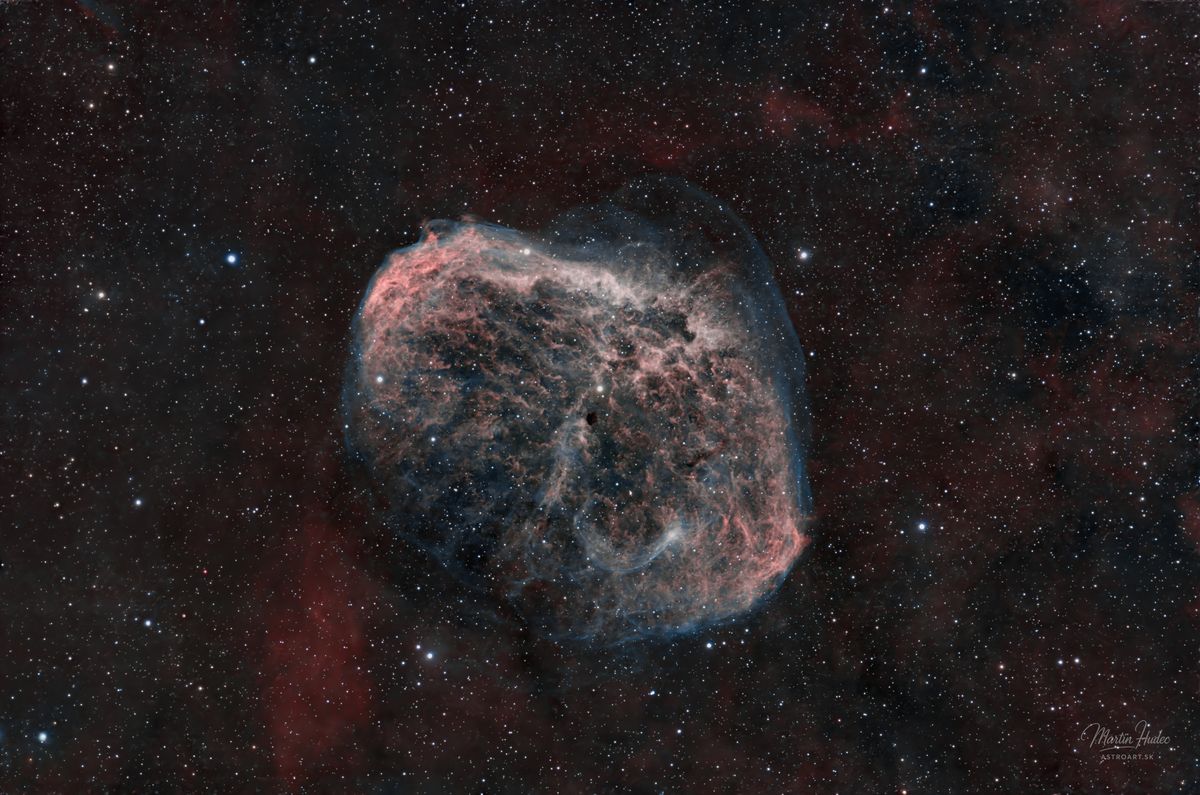
A bubble inflated by the wind of a massive star at the end of its life.
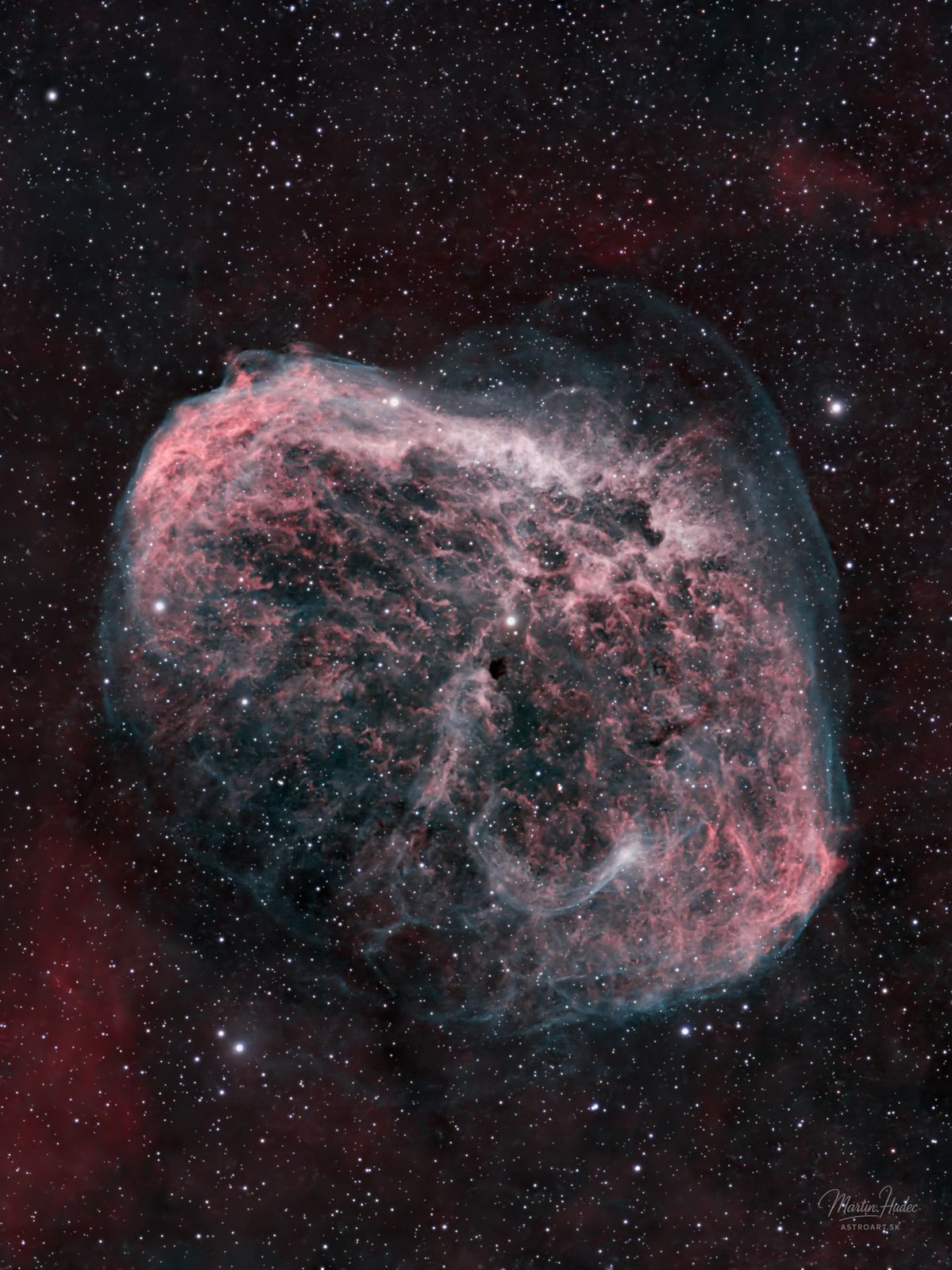
The stellar-wind bubble in a vertical frame.
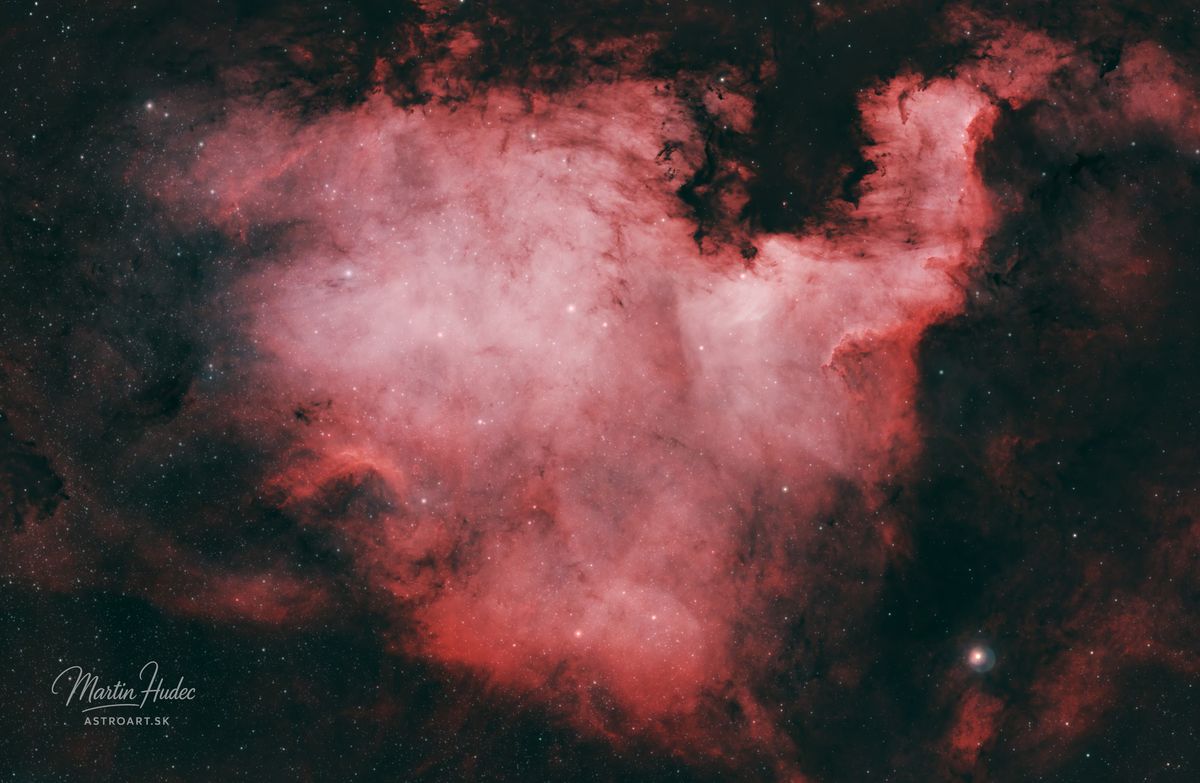
A continent of hydrogen and dust near Deneb.
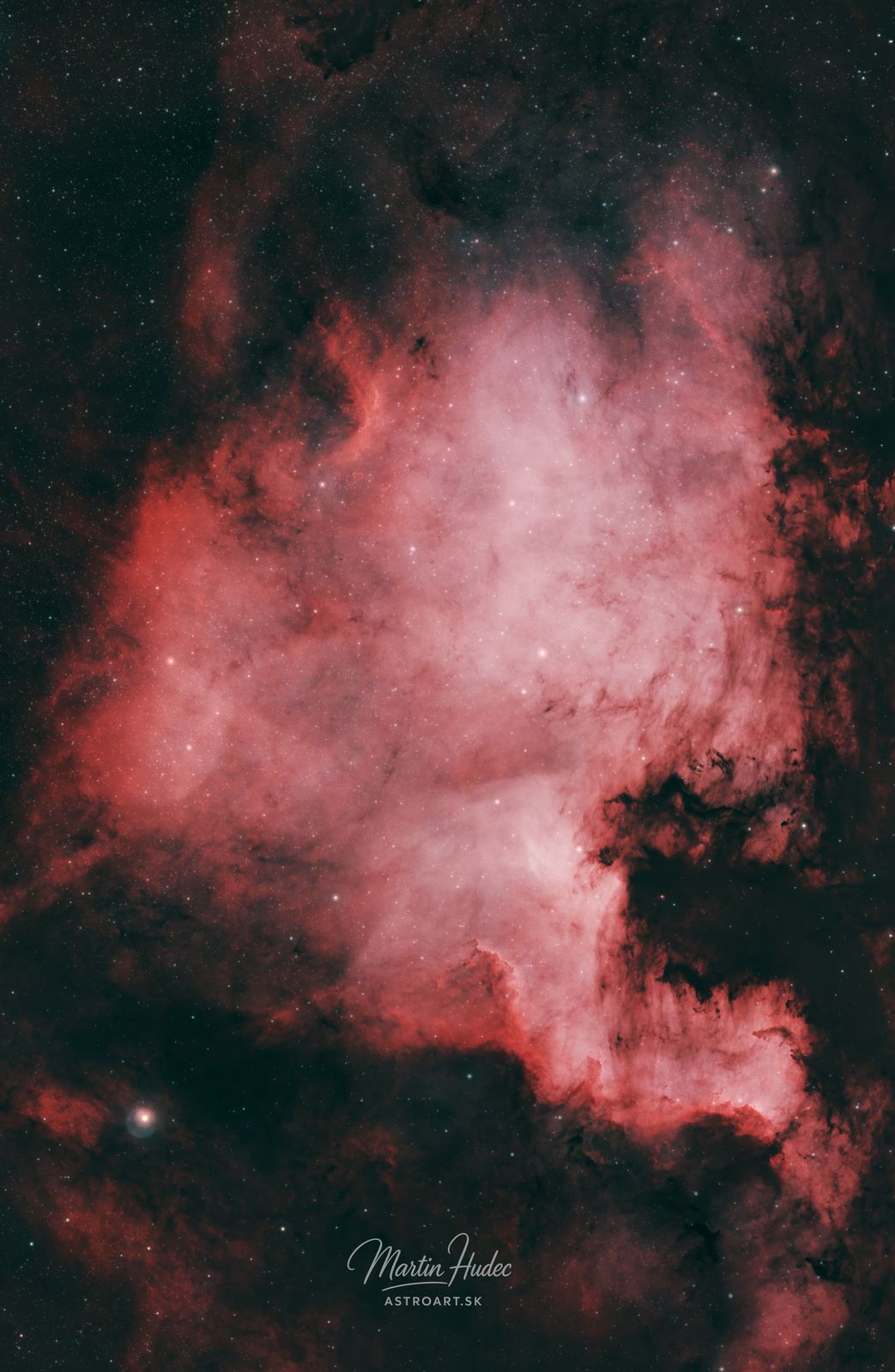
A continent of gas, this time in a vertical frame.
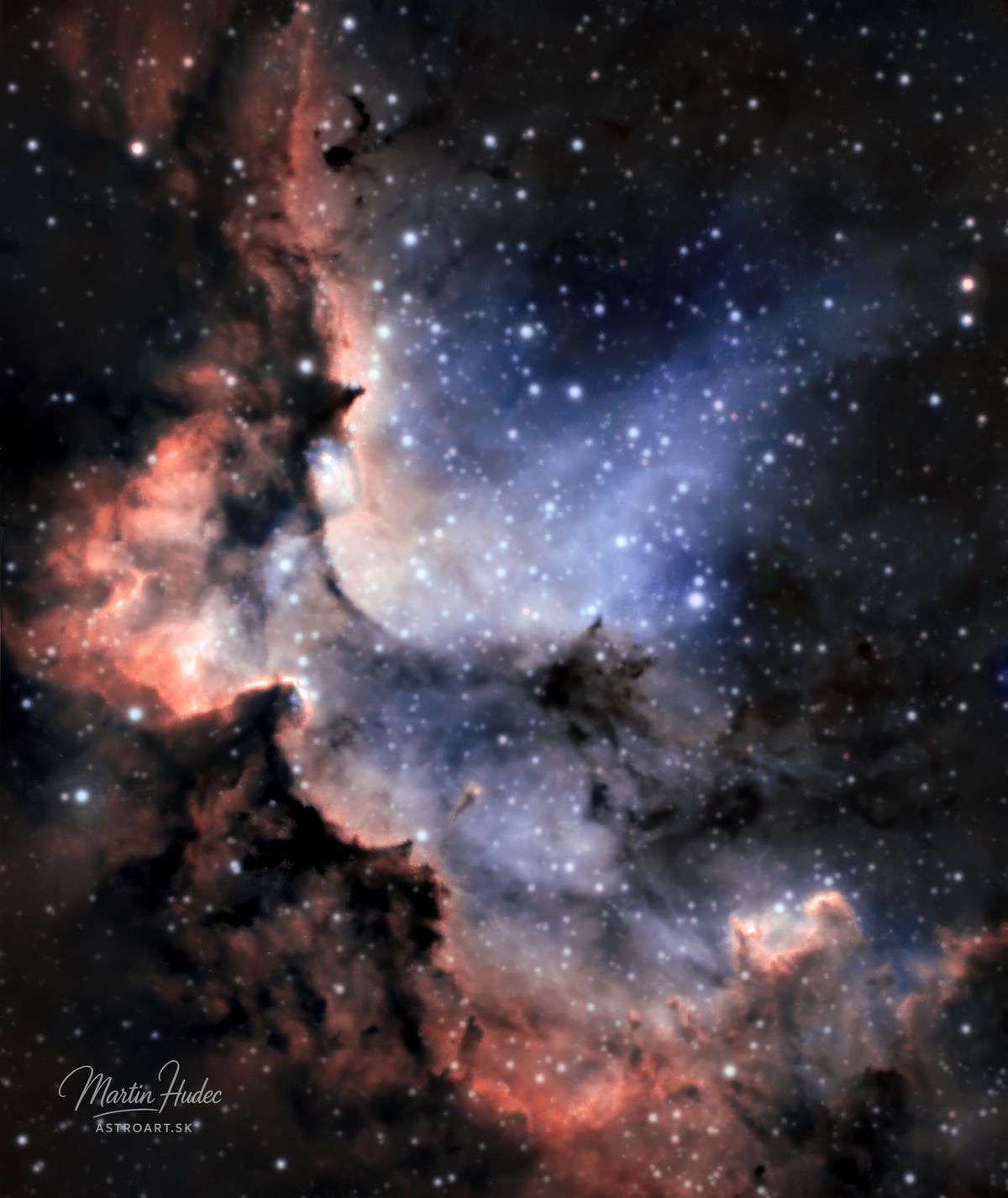
More than 21 hours of light in the Hubble palette.

The Wizard as a colour camera sees it – without the Hubble palette.
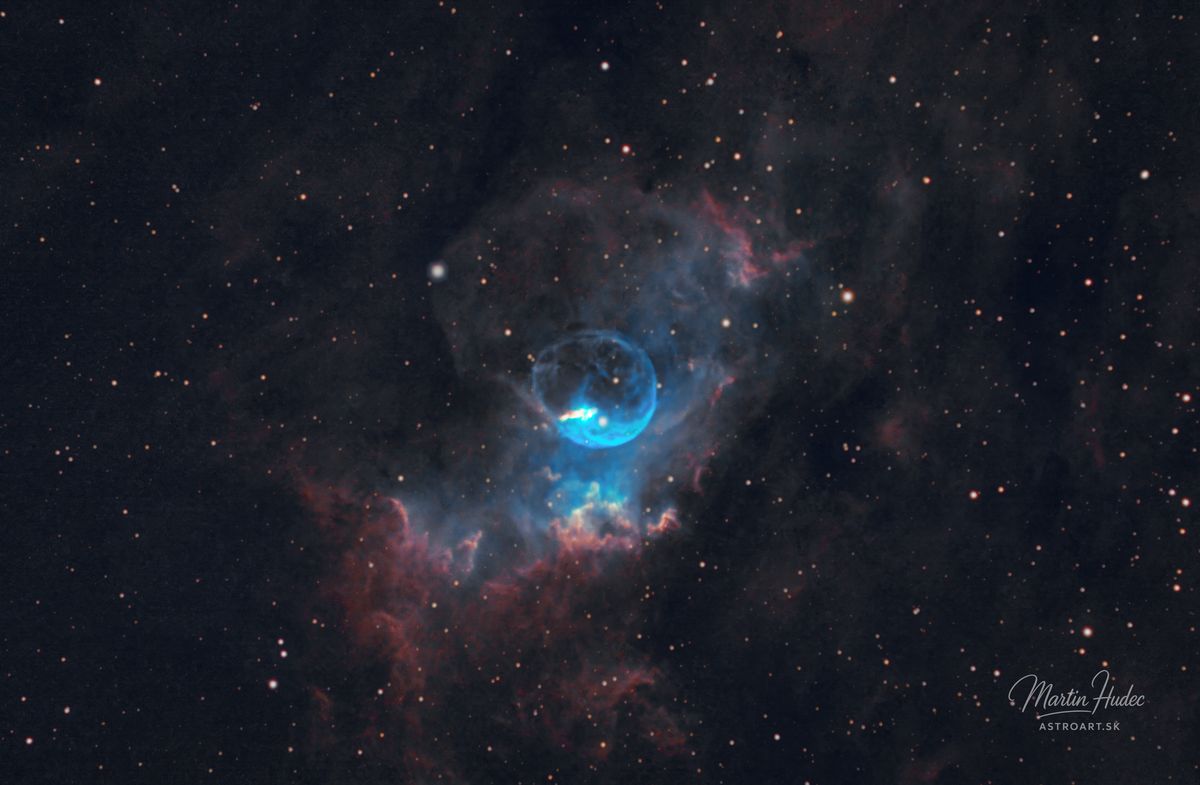
Twenty hours of exposure for one bubble of gas.
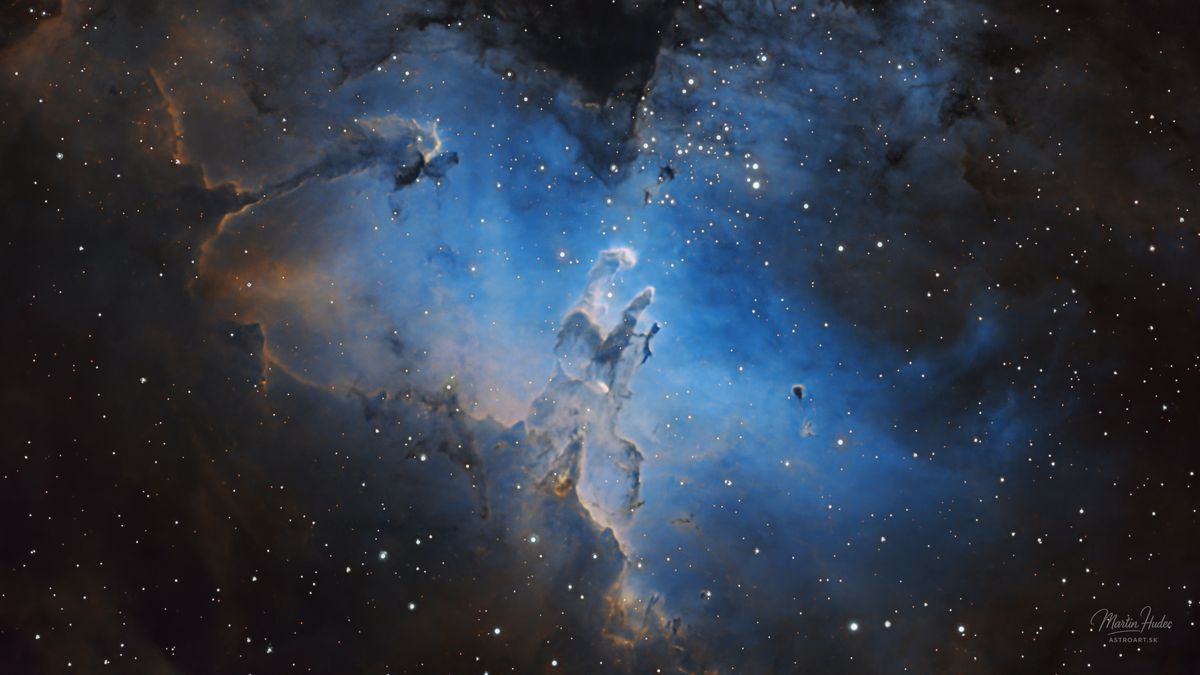
The famous pillars of the Eagle Nebula – from a home observatory, not a space telescope.
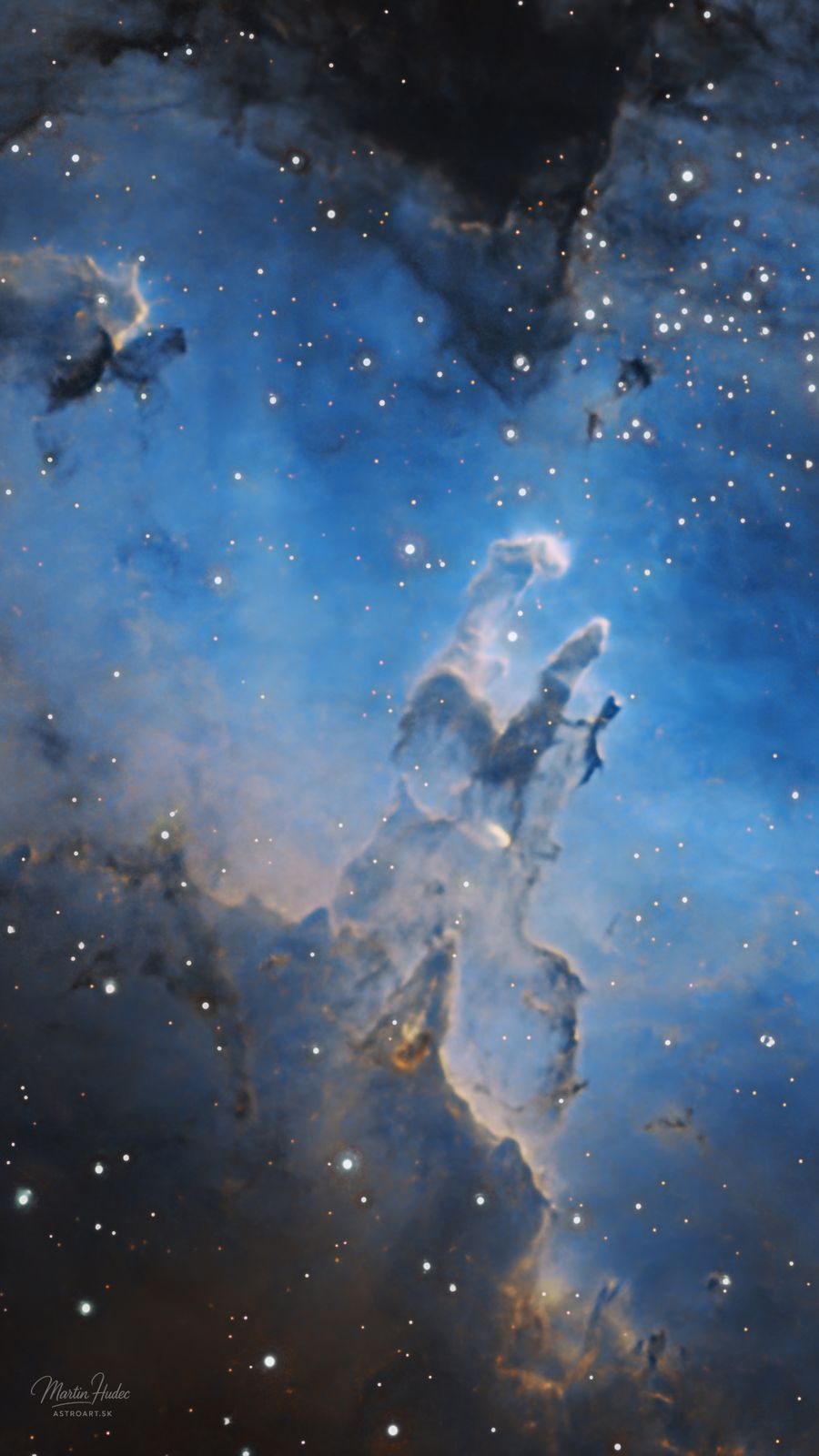
The Pillars of Creation in a vertical frame.
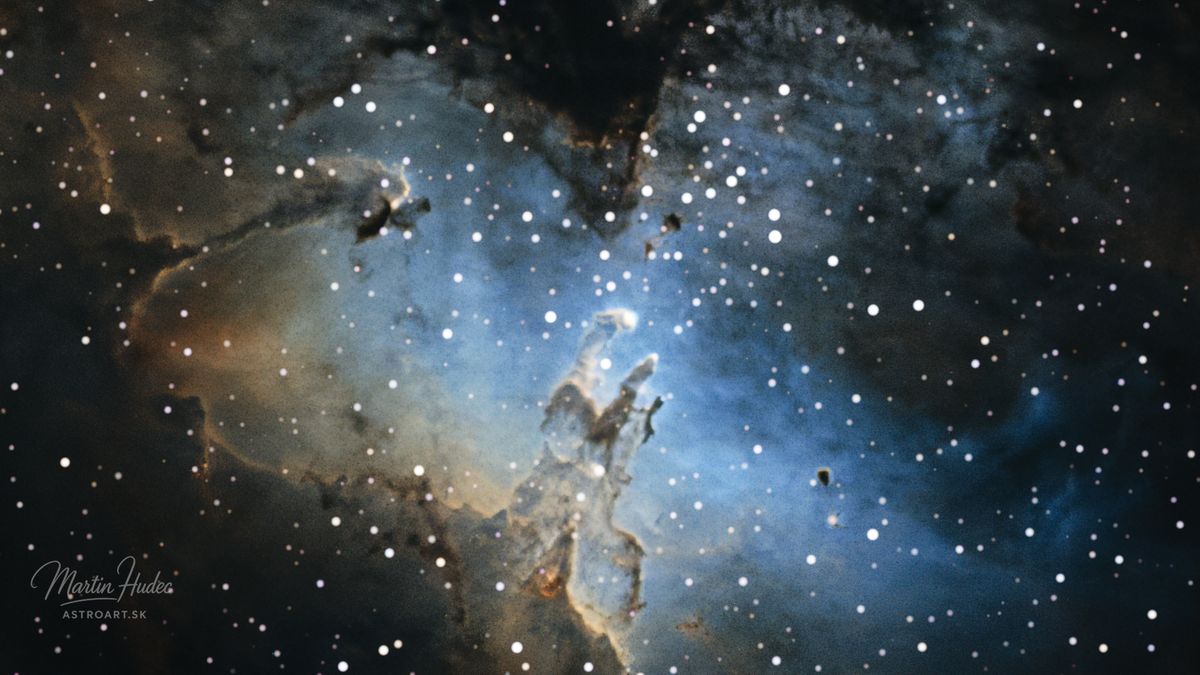
Almost eight hours of light through a long-focus telescope – with the stars left in.

The same view with stars, in a vertical format.
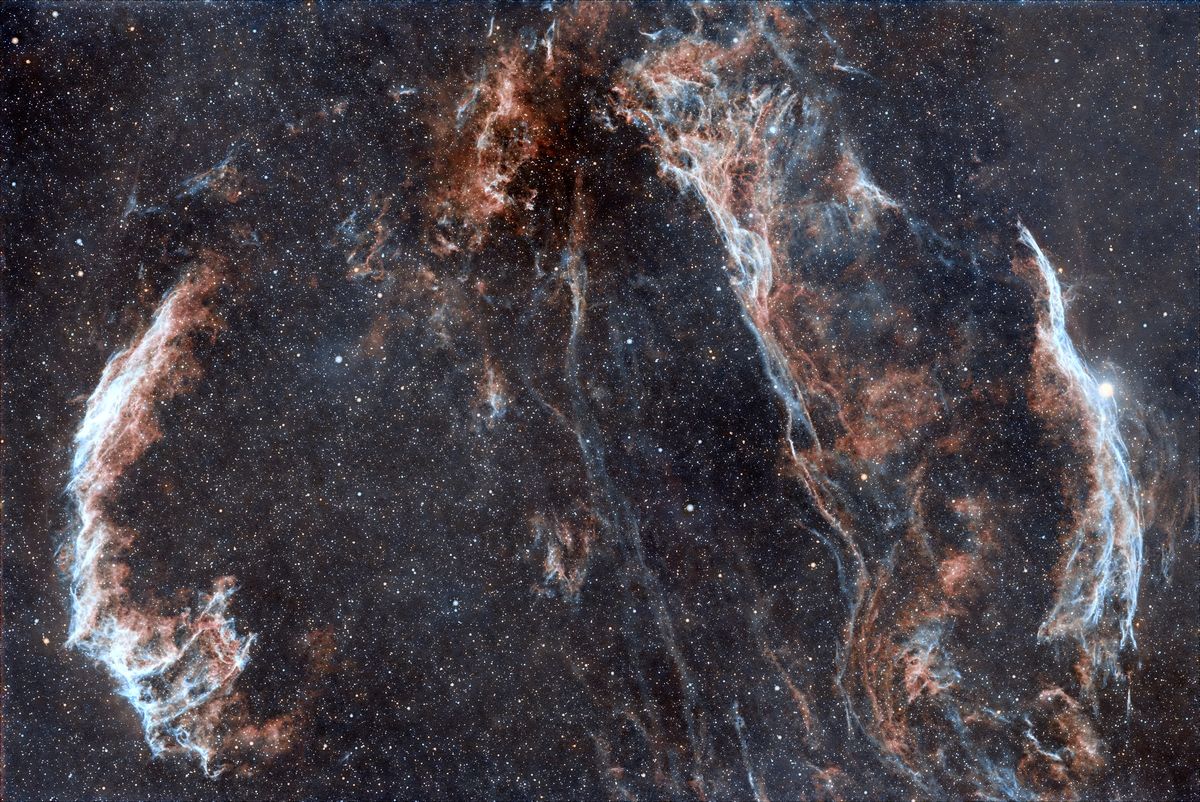
The entire ring left by a star that exploded millennia ago.
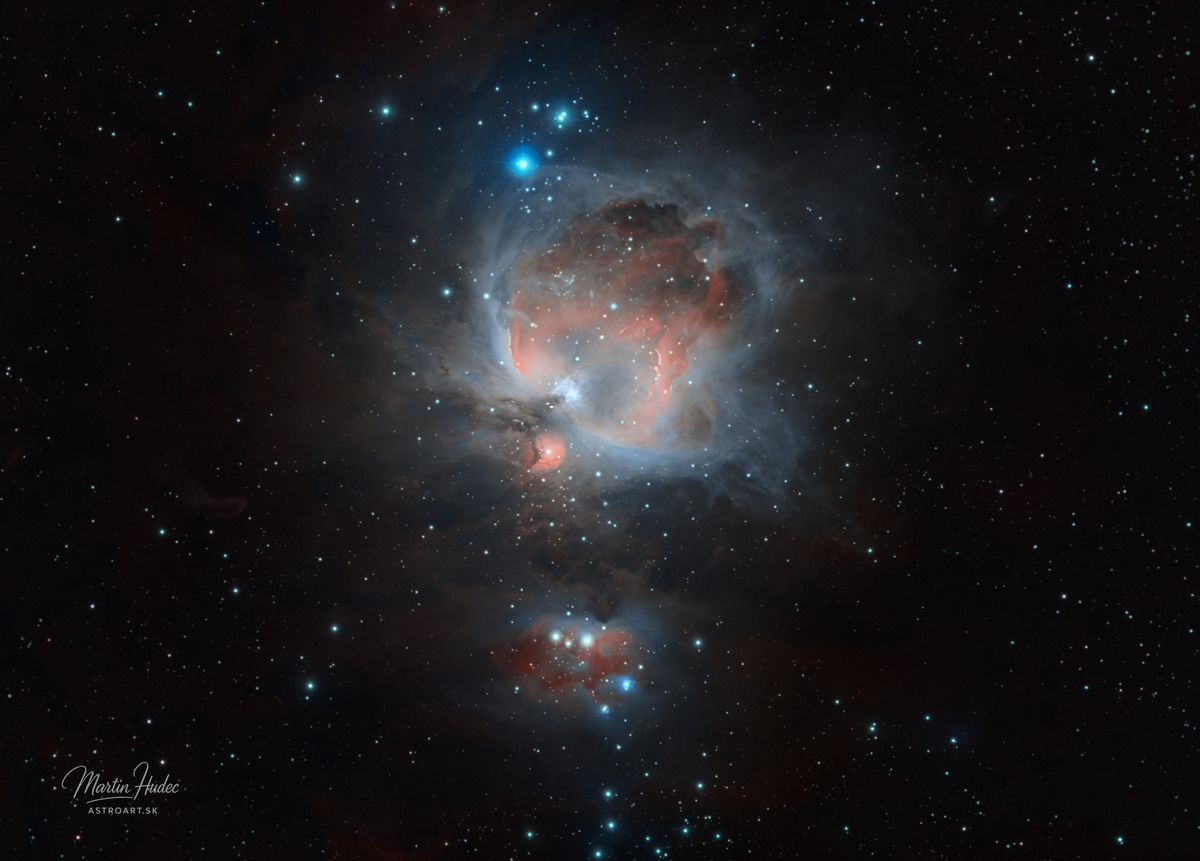
The nearest large stellar nursery, visible even to the naked eye.
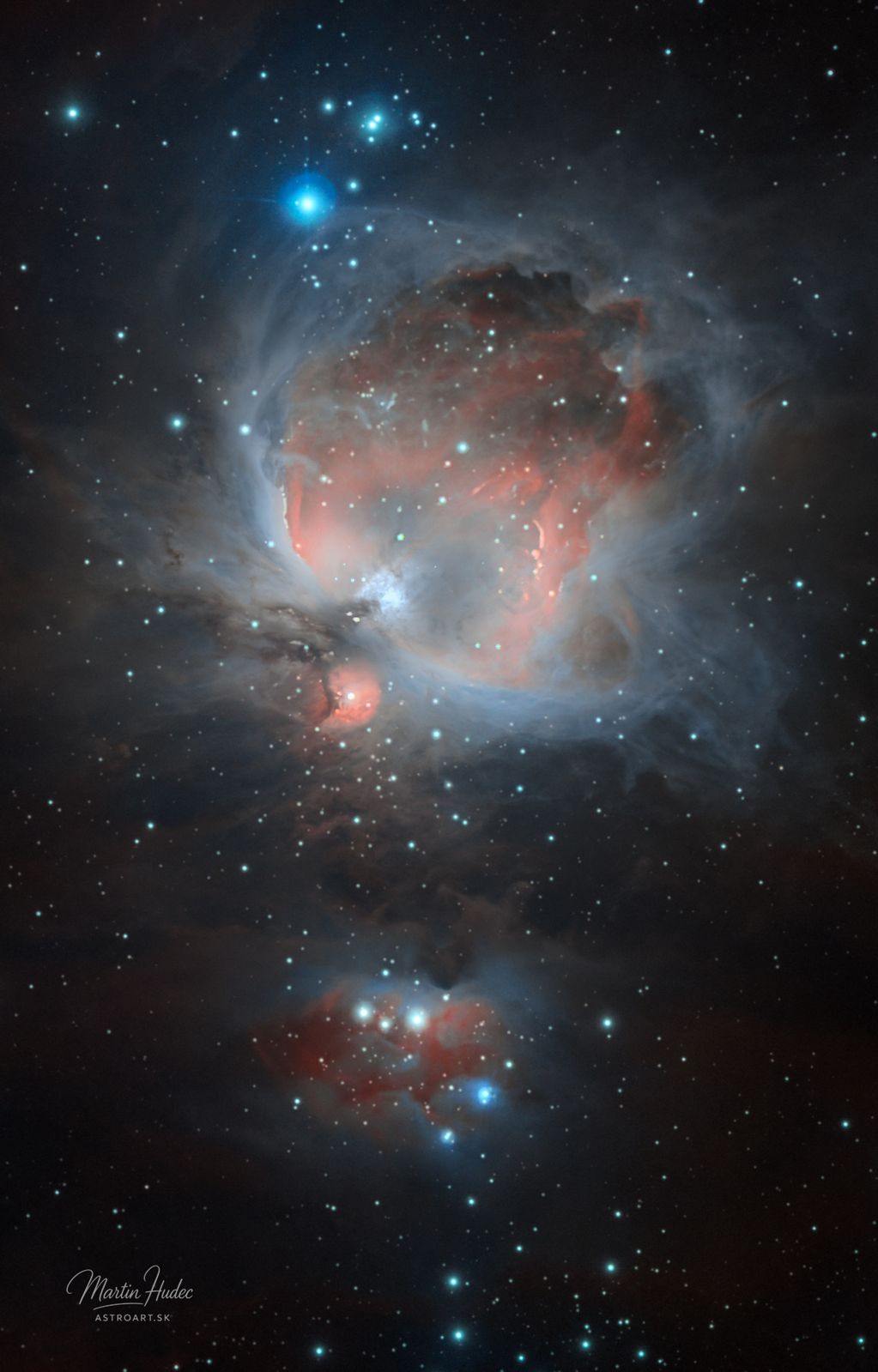
Orion's stellar nursery in a vertical frame.
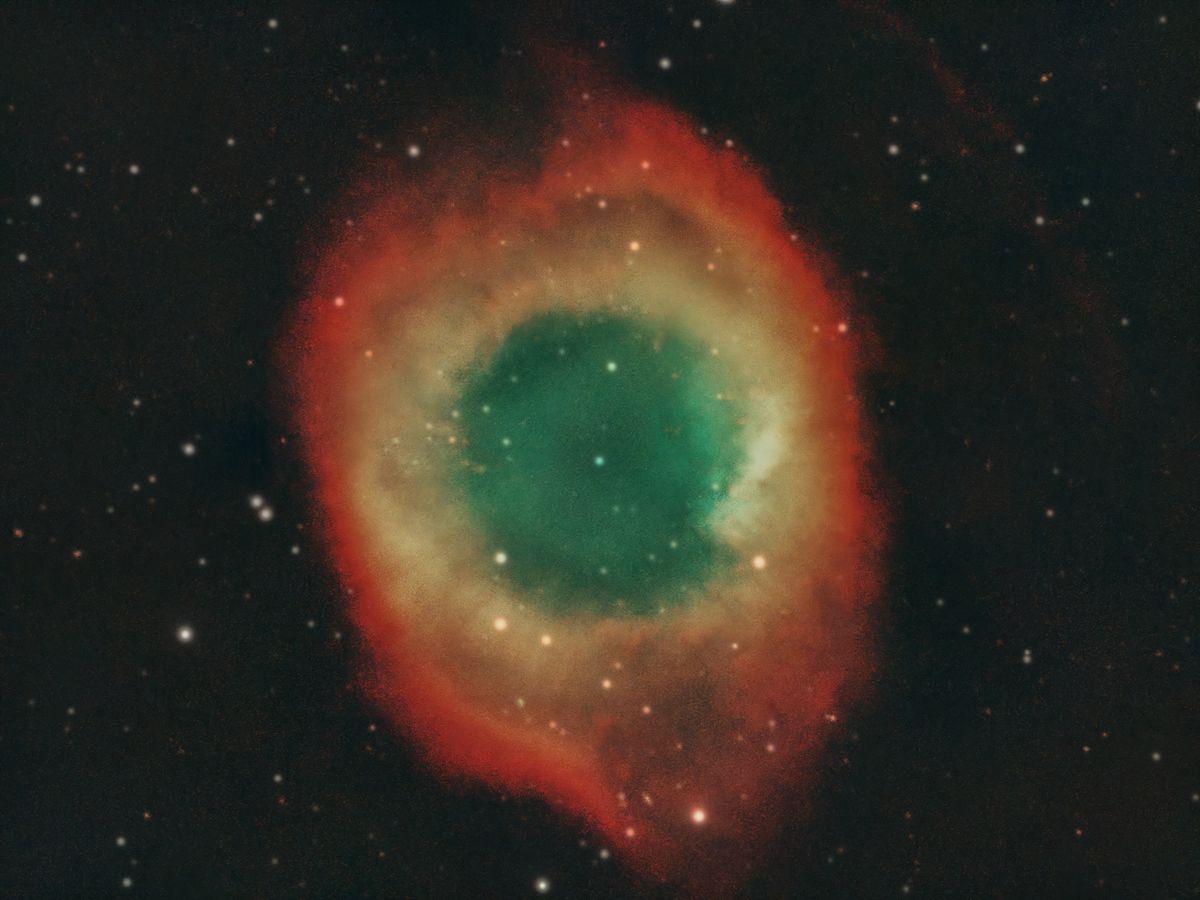
One of the nearest planetary nebulae – low above the southern horizon.
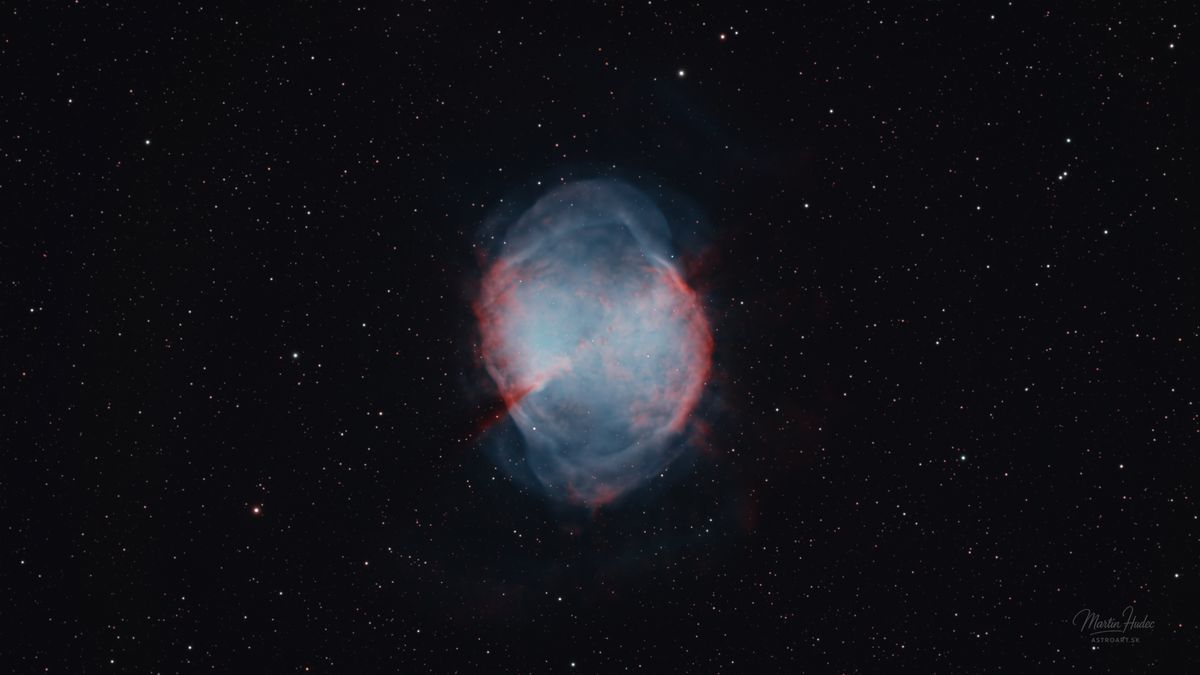
The last breath of a star like our Sun – three hours and 45 minutes of light.
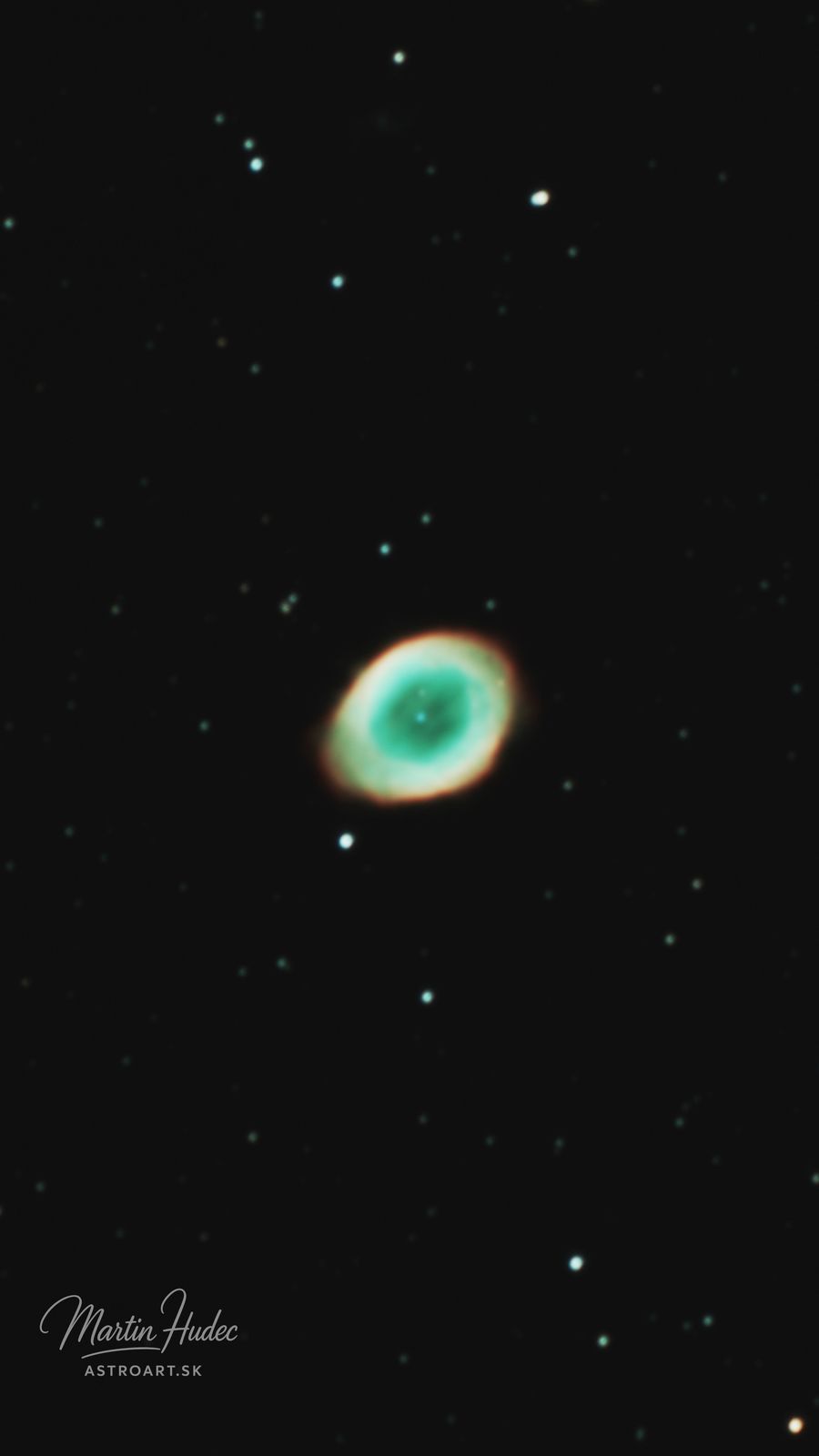
A smoke ring in Lyra – the gas shell of a star at the end of its life.